
The environmental footprint of a Virtual Stage (Virtual Production/LED Volume) is generally significantly lower than a traditional Location Shoot, primarily due to the elimination of emissions from transportation and physical set waste.
Estimates suggest Virtual Production can reduce a film's carbon emissions by 20% to 50% or even higher compared to traditional methods, with some specialized reports suggesting up to a 90% reduction in specific scenarios.
Key Footprint Comparison Factors
Transportation (The Biggest Factor)
Massive Reduction — Eliminates the need to fly or drive large crews, cast, and equipment to multiple or remote locations. Travel is the single largest contributor (often over 50%) to a blockbuster film's carbon footprint.
Set Construction and Waste
Minimal Waste — Digital sets and environments can be created, modified, and reused instantly without the need for physical materials. Any necessary practical props/sets are usually smaller and modular.
Energy Consumption
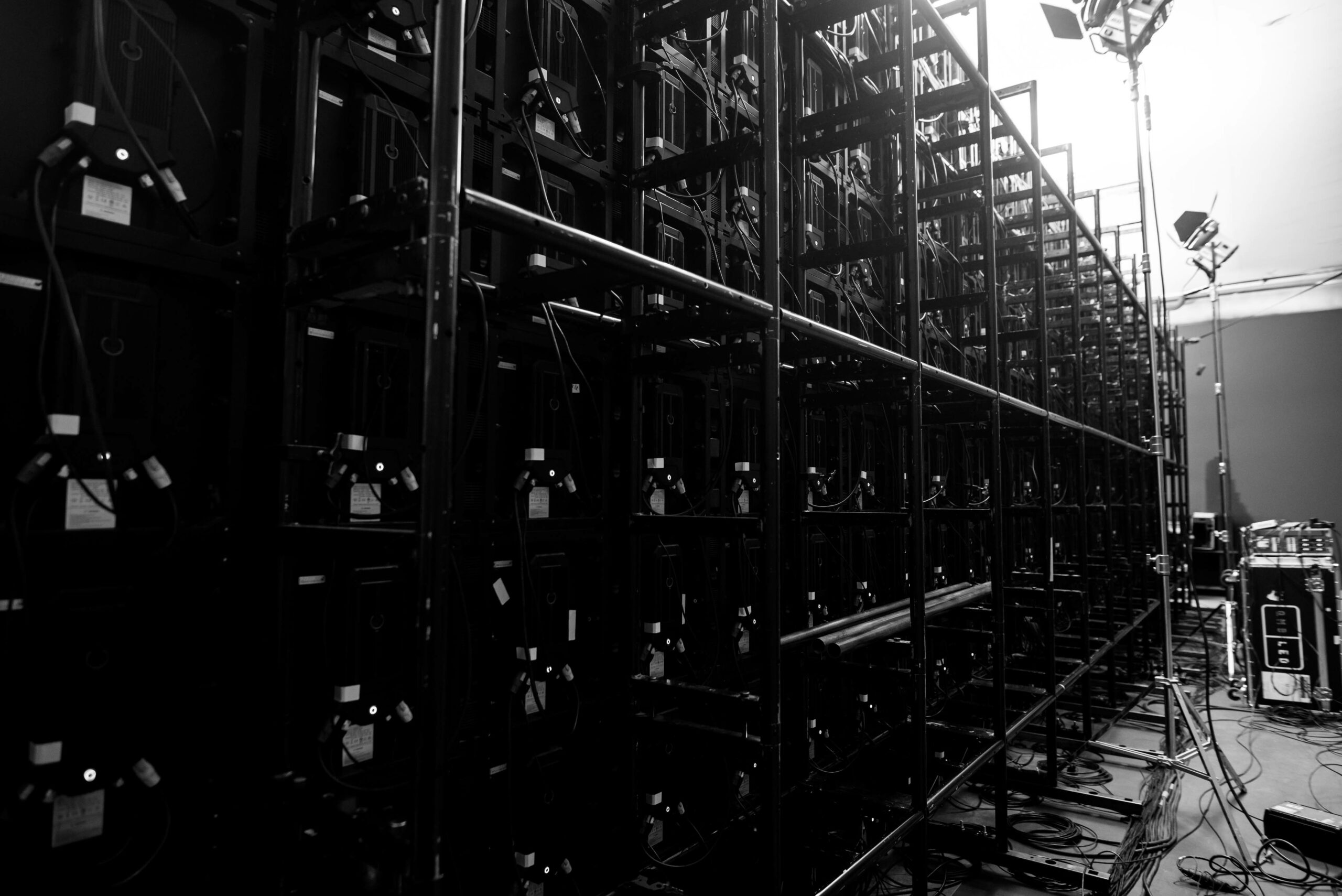
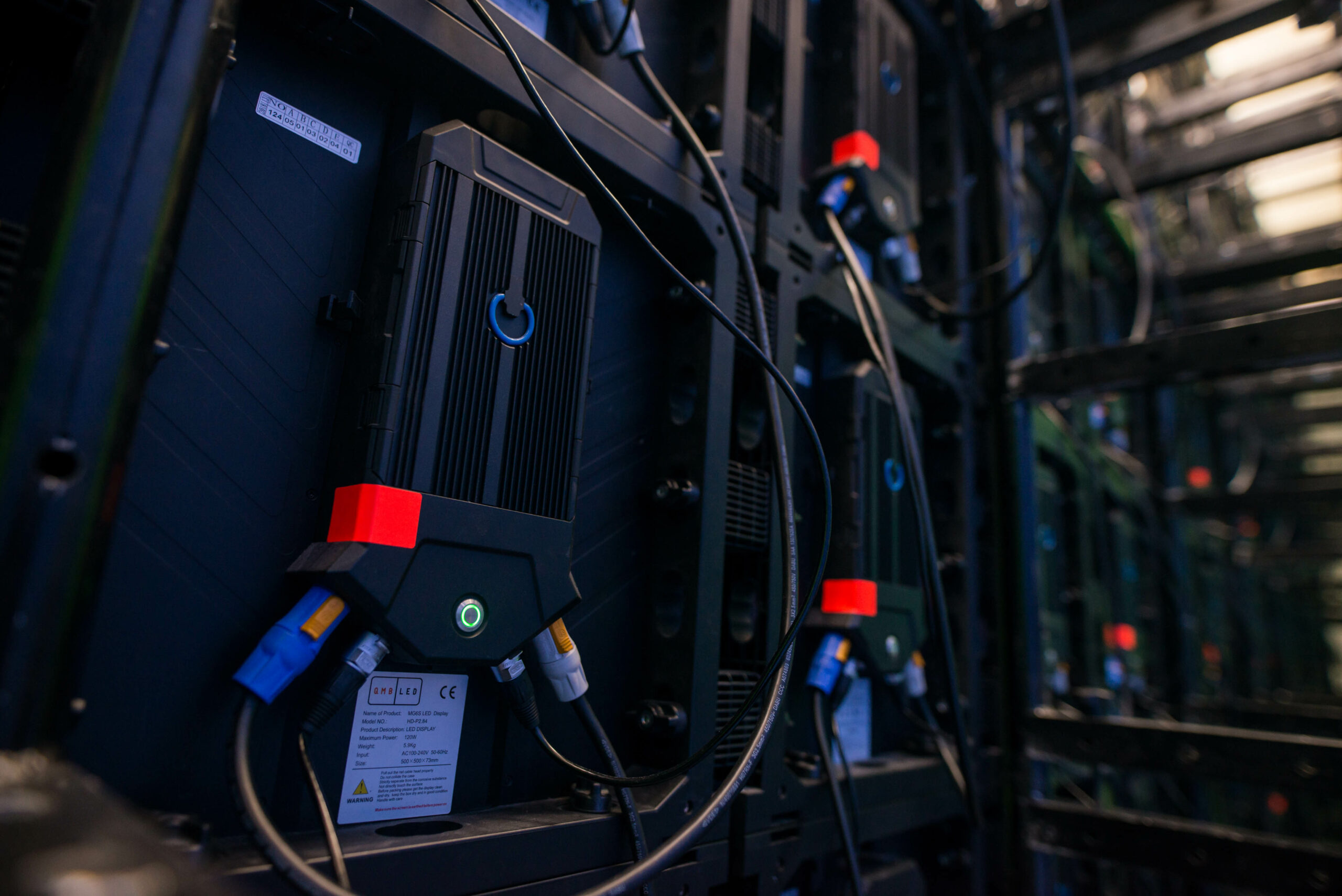
High Power Draw — The primary environmental cost is the significant electricity consumption from running the massive LED walls, the powerful computers (render farms/Brain Bar) for real-time rendering, and the required cooling systems.
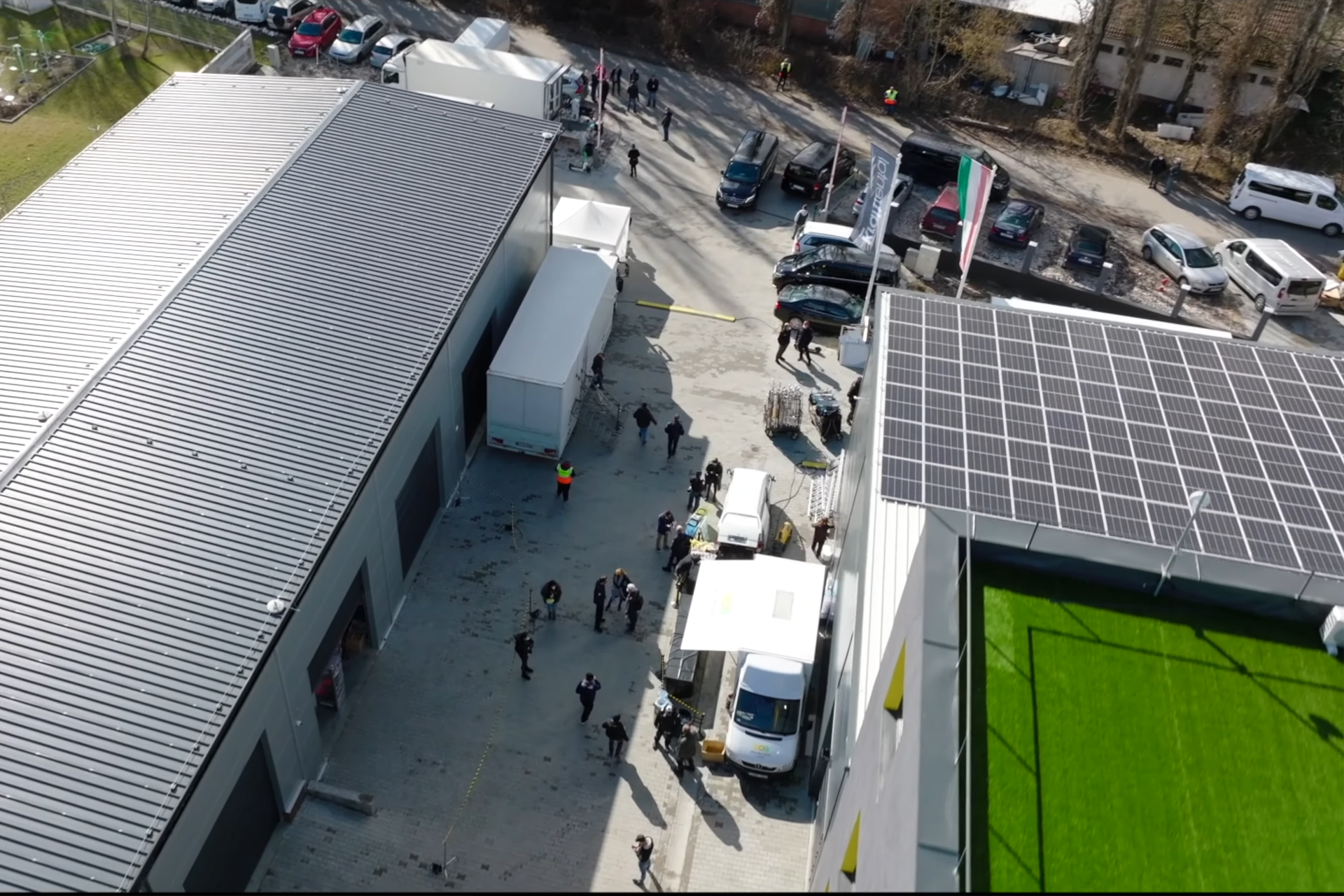
Mitigation — The impact can be significantly reduced by powering the studio with renewable energy (solar, wind) or by using energy-saving LED panels.
The LED Footprint Caveat
While virtual stages win on travel and waste, the overall environmental gain is still subject to the life cycle analysis (LCA) of the LED volume technology itself:
Manufacturing — The initial environmental cost of manufacturing the highly complex LED panels and the associated computer hardware is significant.
Lifespan & Reuse — The sustainability of the virtual stage depends on the longevity and reusability of the LED walls. Since the hardware can be used across multiple productions for years, the initial manufacturing cost is amortized across many projects, making it less wasteful than single-use physical sets.
Data Storage — The carbon footprint associated with the extensive data storage and cloud computing required for creating and managing photorealistic virtual assets is an area that is still being researched and quantified.

© realis — 2025 — All Rights Reserved

Company ¬
QMB LED Kft.
Fő utca 64.
Felsőszölnök, 9985
Studio ¬
Öv u. 9.
Budapest, 1141
Office ¬
Öv u. 7.
Budapest, 1141

